

An invitation to slow down, listen & reconnect: according to Simon Hardy
Beyond the business owner, a through-line: his bond with the living world. Simon Hardy shares his recommendation of Rone's documentary “The Whale and the Musician”, and an invitation to slow down, listen and reconnect.
Behind the business owner and the travel professional, another dimension gradually appears: his relationship with the living world. It is ultimately not so far from his early studies in environmental protection. Simon talks about nature, about listening, about connection, about our collective difficulty in slowing down and feeling.
He explains that he feels we have become “very, very, very disconnected”. That reflection leads him to share a very recent recommendation that moved him deeply.
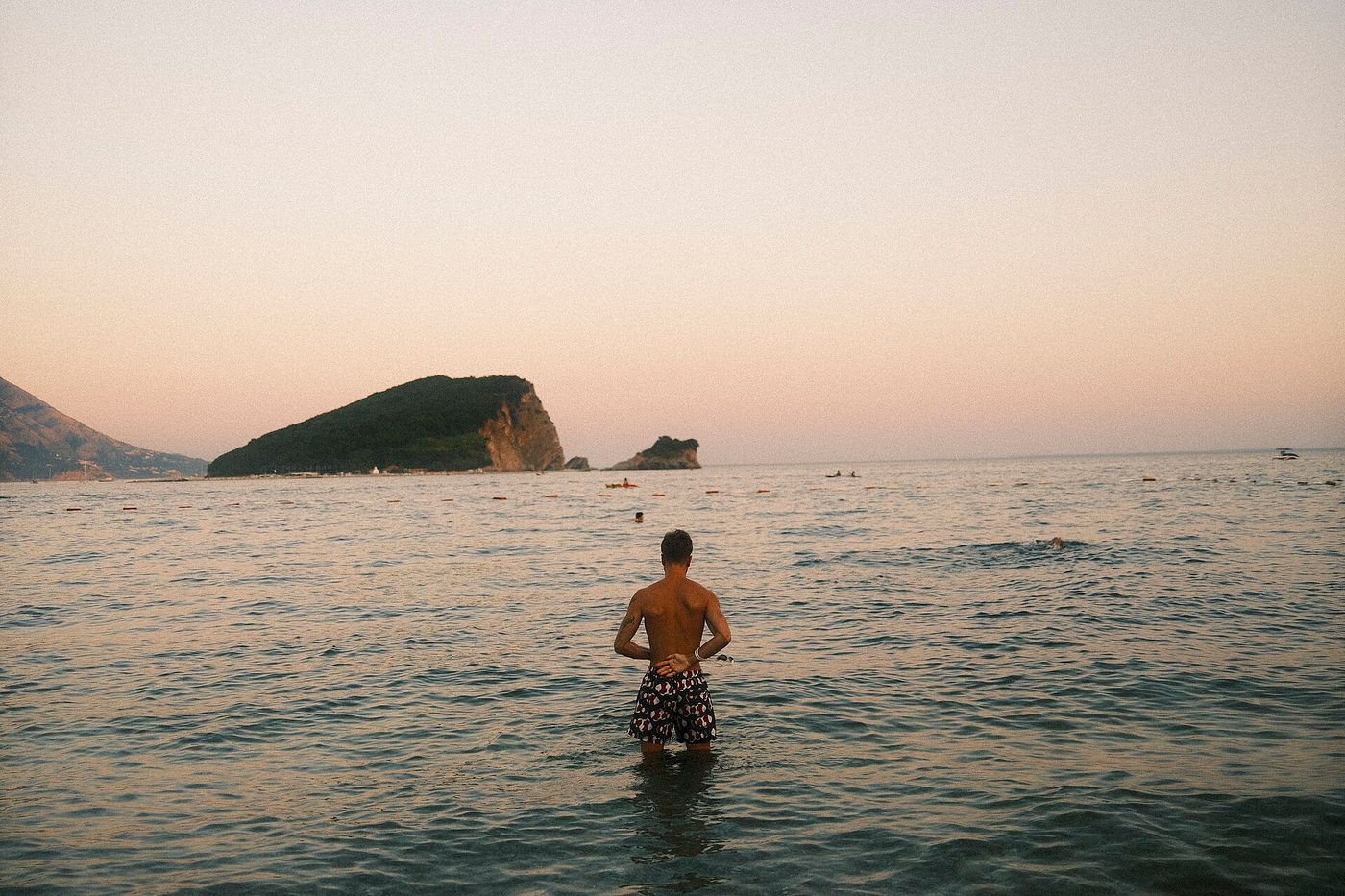
His recommendation: The Whale and the Musician
The evening before the interview, Simon went to see La Baleine et le Musicien (The Whale and the Musician), the documentary by Valentin Paoli devoted to an experiment led by the electronic music composer Rone.
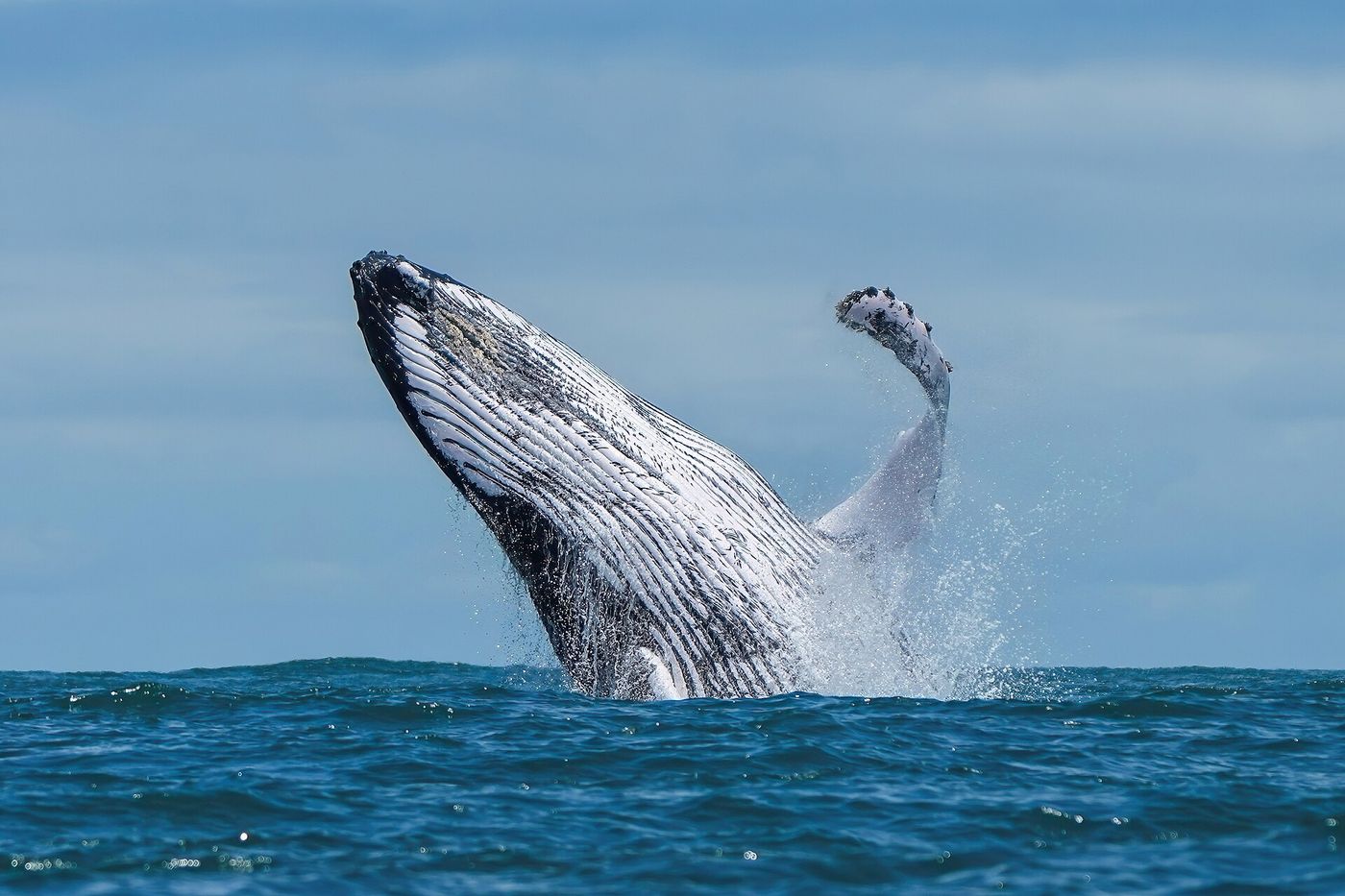
The film's premise immediately echoes everything Simon has just talked about. After discovering that his music seems to attract cetaceans, Rone sets out to sea with scientists to try to explore a form of musical dialogue with a humpback whale. The set-up is scientifically supervised to limit the risk of disturbing the animals.
Simon describes in particular this idea of placing a hydrophone in the water, listening to the cetaceans and trying to understand what happens when music is offered to them. What interests him is not only the musical experience: it is the attempt to communicate with another form of the living world.
He went to see the film with three friends. His reaction is very simple:
All three of us had a tear in our eye last night watching that film.
He mentions it because it is “fresh”, but above all because the film resonates directly with his concerns.
How do we listen? How do we enter into a relationship with what does not use our language? How do we respect the other enough not to impose our presence? How do we recover a capacity for wonder?
Simon also observes that this kind of film draws the general public less easily than a big spectacular production. He sees in it our tendency to look for things that “excite us in the moment”, but also, perhaps, a difficulty in accepting certain emotions. Crying, being moved, being confronted with what we feel: not everyone wants that.
For him, this film is precisely an invitation to that reconnection. It is a recommendation he wishes to share with the community.
Gondar: the other story to go and discover in pictures
If there were a second recommendation to draw from his journey, it would be to take a few minutes to look at the castles of Gondar.
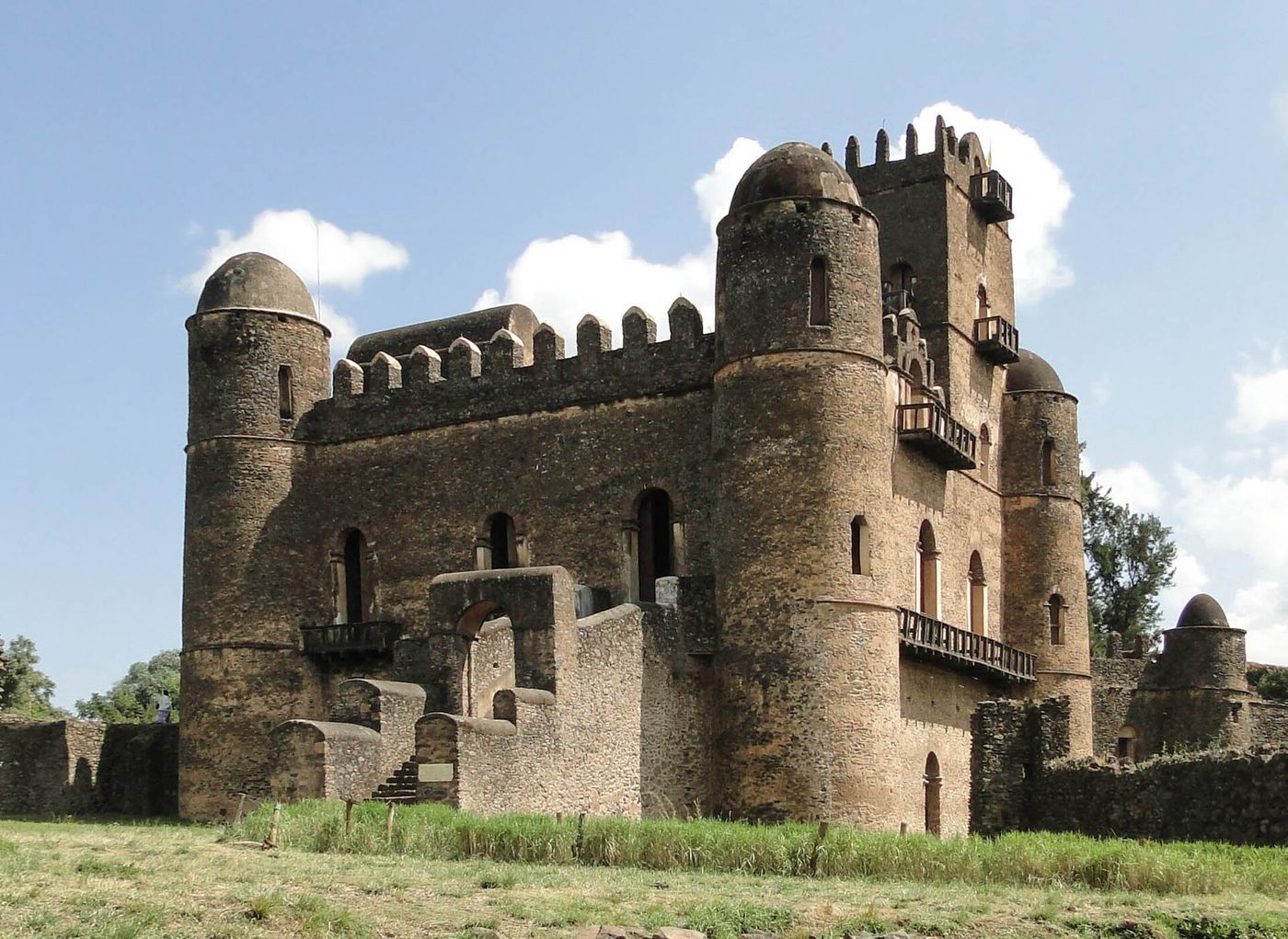
The story matters precisely because Simon himself did not know they existed before his mission was offered to him. He set off for Ethiopia almost wondering:
Castles in Africa?
And he finally discovered a monumental royal complex, listed as a UNESCO World Heritage Site, which would become his workplace for two years. It is a good illustration of what runs through his whole journey: arriving somewhere without knowing everything, accepting to be surprised, learning in the field and then turning that discovery into a concrete project.