

No, AI will not replace DMCs — here's why
AI is changing how DMCs work, but it does not replace their profession. A sales director and former DMC manager on what the machine will never reproduce.
In short. Artificial intelligence is changing the way inbound travel agencies (DMCs) work, but it does not replace their profession. With tools like Claude, anyone can now quickly generate a prototype travel tool, which fuels a real fear in the industry. But a DMC rests on a real presence on the ground, human exchanges and local expertise that AI does not reproduce — and we are still only at the very beginning of what artificial intelligence will change for this profession.
Why AI can worry inbound travel agencies
This fear has a concrete origin: it has never been so easy to quickly generate a tool or a prototype thanks to artificial intelligence.
- With tools like Claude, anyone can now generate a software or travel-site prototype in just moments.
- This ease gives the impression that it would be possible to do without a human inbound travel agency.
- And yet, many project owners have neither the time, nor the technical skills, nor the desire to build and run a real tool or a real agency day after day.
- They still need a trusted contact to organise a trip.
- We are only at the very beginning of what artificial intelligence will change in the travel sector.
- Artificial intelligence itself is only a form, a feature: you can use AI in an ERP, but that does not remove the need, for an inbound travel agency, to have a real management software to run its business.
What an AI does not replace: the field and the human relationship
An inbound travel agency is physically on site, in the country: it knows the ground, the providers and the local realities as no AI can know them from the inside. And even remotely, by phone or video call, the exchange between two people stays real: the voice carries emotion, a gaze can be read on screen, a feeling is shared — a sensory connection that cannot be controlled and that no machine reproduces.

Because the experience of a trip is always lived with the body and the senses: we are living beings, made of organs that live — it is alive. When a problem arises on site, a strike, an unexpected event, a failing provider, it is a real person, present on the ground, who solves it, because they know the country and its providers. The expertise and experience built up in the field, just like this sensory connection and human emotions, cannot be replaced by a tool.
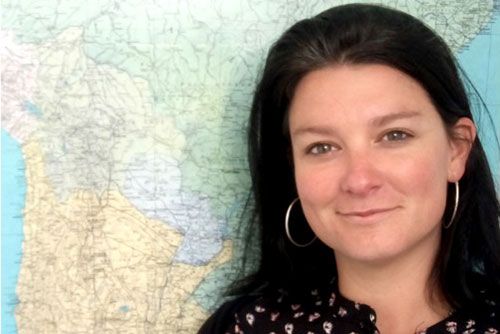
My view as a sales director and former DMC manager
As a sales director, I attended many trade shows this year, and the rise of AI confirms one thing to me: the travel agent's job is a real profession in its own right, which rests above all on communication with the client.
- It is this communication and this client relationship that make the difference between a very good DMC and a generalist DMC that “does a bit of everything”.
- Tour operators look for increasingly specialised DMCs, with real added value: their personality, their story, what they sell and the way they offer it — one and the same TO can in fact work with several DMCs in a single country, precisely because each brings its own value.
- AI highlights this value even more rather than erasing it: it can provide fairly generic information — a general itinerary, the budget or the time needed to travel — but it cannot manage what actually happens once on site.
- Travel agents are already short on time: you need a specialised person, in charge of the follow-up internally.
- A concrete example, drawn from my experience as a DMC manager: faced with a strike, a demonstration or blockages that last two weeks and force everything to be reorganised, even with AI today, it could at most help to go faster on certain tasks — not talk to clients or find real solutions on the ground. That is the human, on site.
- And beyond logistics, there is the energy and the communication that pass between two people during the preparation of a trip: that is unique.
AI strengthens the human, it does not replace it
This is my perception, after observing the sector closely: artificial intelligence, far from erasing the human, strengthens it. It helps bring more authentic things to life — and for a DMC, that is precisely where the real strength lies.
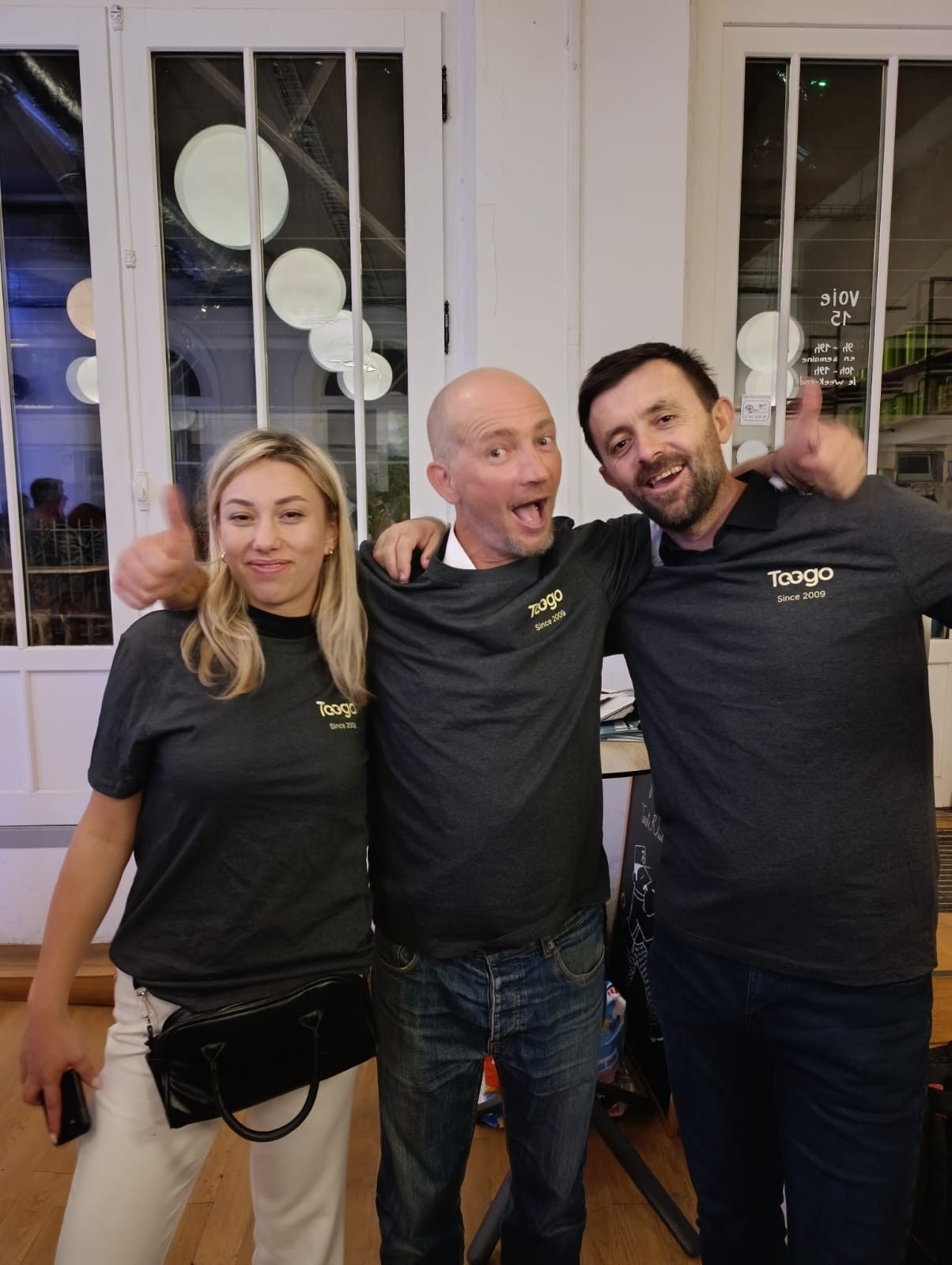
By relieving travel agents of repetitive tasks, AI increases their creativity and also leaves them more time to exercise it. It can help to go faster, to generate ideas. But it never changes what comes first: the thoughts, the intuitions, the sensations born from experience lived in the field. That part stays, and will stay, human.
FAQ on AI and inbound travel agencies
Will artificial intelligence replace inbound travel agencies (DMCs)?
No: AI can make certain tasks easier and faster, but it does not replace the presence on the ground, the human relationship, or the handling of the unexpected by a person who truly knows the country.
Why do some people fear that AI will replace DMCs?
Because it is today easier than ever to generate a tool or a prototype thanks to artificial intelligence, which can give the impression that a human agency becomes superfluous.
What can an AI not reproduce in the DMC profession?
Real human exchanges (by phone, on site), the emotions and reactions that make up the traveller's experience, as well as the local expertise needed to solve an unexpected problem on the ground.
What can AI really bring to an inbound travel agency?
It can help it go faster and automate certain tasks, such as with a conversational AI integrated into its ERP, without replacing human work on the ground.
In summary
Artificial intelligence does not replace the DMC profession: it transforms it. Anyone can now generate a prototype thanks to AI, but running an inbound travel agency takes time, relationships of trust and a real presence on the ground — which no AI reproduces. Human exchanges, emotions, and the ability to solve an unexpected problem on site remain at the heart of the profession. We are only at the very beginning of what AI will change for DMCs, and at TOOGO, it is thought of as a tool that equips the agent, not as a substitute for their expertise.