

Behind the scenes of CRM2 - two views, one build
Two TOOGO engineers, Juan and Alice, share the behind-the-scenes of CRM2 — the first stone of toogo2: prototypes, doubts, nights with Claude, and a path toward software you can talk to.
These two chronicles are written by Juan and Alice, two TOOGO engineers who built CRM2 together - alongside other colleagues from the technical team (Pierre, Sébastien, Ariel, Rohely, Ivan, Huascar…), each on their own part of the project. Juan, with TOOGO for over fifteen years, is one of the masterminds of the whole product: he is the one who designed and laid down the architecture of the new engine. Alice, who joined nearly two years ago, built on those foundations the entire Sales side of CRM2 - buttons, views, pop-ups, database connections. Juan's text was originally written in Spanish.
Told each in their own way - one broader and forward-looking, the other down in the trenches; the two texts meet on one common point: building solid foundations takes time, comes with as much doubt as enthusiasm, and is only worth it if, at the end of the road, it frees the user - travel expert or agency - to focus on what really matters.
Juan Vega
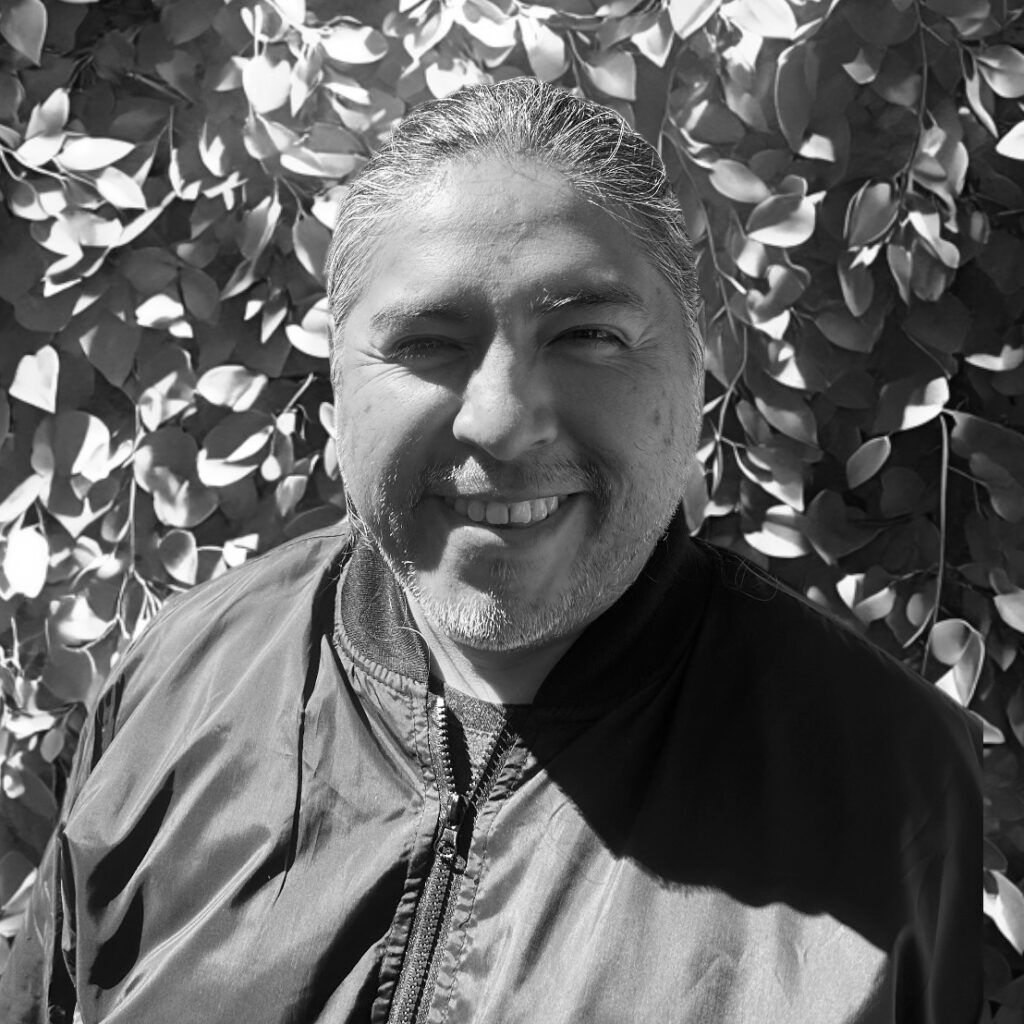
The starting point
It didn't all start by writing code. It started with long conversations about how to bring TOOGO into this new era without breaking what already works. And with many nights spent looking for how AI could improve TOOGO, both inside and for those who use it.
I designed prototypes: many turned out to be dead ends, others gave me better ideas. Meanwhile, the sales team was asking clients how they used TOOGO and what they needed. Our roadmap was born from that: from observing and trying, not imagining. That's where the idea that guides everything today came from: soon, no one will navigate their travel software anymore. They'll ask it. We want to be among the first to move from screens with buttons to screens you can ask questions.
The first stone
What started as “the new CRM” - CRM2, since renamed toogo2 - is not a finished product: it's the first stone. Screen by screen, everything shifts to a new engine, and at the end of the road there's a door through which to query the system and ask it for things. That door is the bridge to what comes next: a TOOGO that understands what you ask, anticipates the work, and warns you when something goes wrong. Internally, we call it toogo3. Talking to the system isn't writing orders in a little box instead of clicking. It's being able to tell it:
“Prepare this trip for me like last year's, but in October and with two more people.”
“Let me know which groups will be a problem if this flight is delayed.”
Conversation doesn't replace the screen. It turns it into the place where you check and where you decide, not where you type.
I want to be clear, because this is where almost everyone gets it wrong: none of this is about pushing the expert aside. The expert stays at the center. I've lived it myself: I went from writing code to reviewing code, a lot more code. I stopped thinking about variable names to think about what really matters: what the screen should do.
The perfect companion
Just like the tourism expert who decides that the hike must come before dinner. They don't organize tasks: they create an experience, they want the traveler to arrive at the table after a day of extraordinary landscapes. And they're the one who solves what happens on the ground. It's six in the morning, the river has washed away the bridge, and the day has to be reinvented for fourteen people having breakfast without knowing it yet. That's not written in any database.
What you can take off their plate, on the other hand, is the work that isn't theirs: entering the same data in three places, redoing a quote that already existed, answering the same question three times. TOOGO doesn't want to replace anyone. It wants to be the perfect companion: to show up with everything ready and leave the mind free for what only the expert can do.
Our first attempt was the most obvious one: a chat placed on top of what we already had. It wasn't enough. It could answer, but it couldn't say how many seats were left on the October departure, or move a booking. It was missing that door.
And then there's everything you don't see. Delivering a screen can feel like just ticking a box on the calendar: it's done, the deadline is met, that's it. But when you really dig into the logic behind that screen, you discover it depends on lots of things no one had anticipated - and that they have to be sorted out without breaking what already works. None of that was in the initial plan. We do it anyway, with the deadline coming up.
Meanwhile, some agencies have been asking for a while when they'll see CRM2. That question puts pressure on, and it's normal that it does. But there's one condition that isn't up for negotiation: today's TOOGO, toogo1, cannot stop for a single minute while we build the next one. We could settle for what already works; that would be more comfortable. We don't want to: TOOGO must evolve at the pace of the agencies and of this new world where AI is everywhere. Because the goal has stayed the same since day one: that an agency spends its time building trips, not fighting with the software. The faster it does, the better it works.
Alice Bauchat
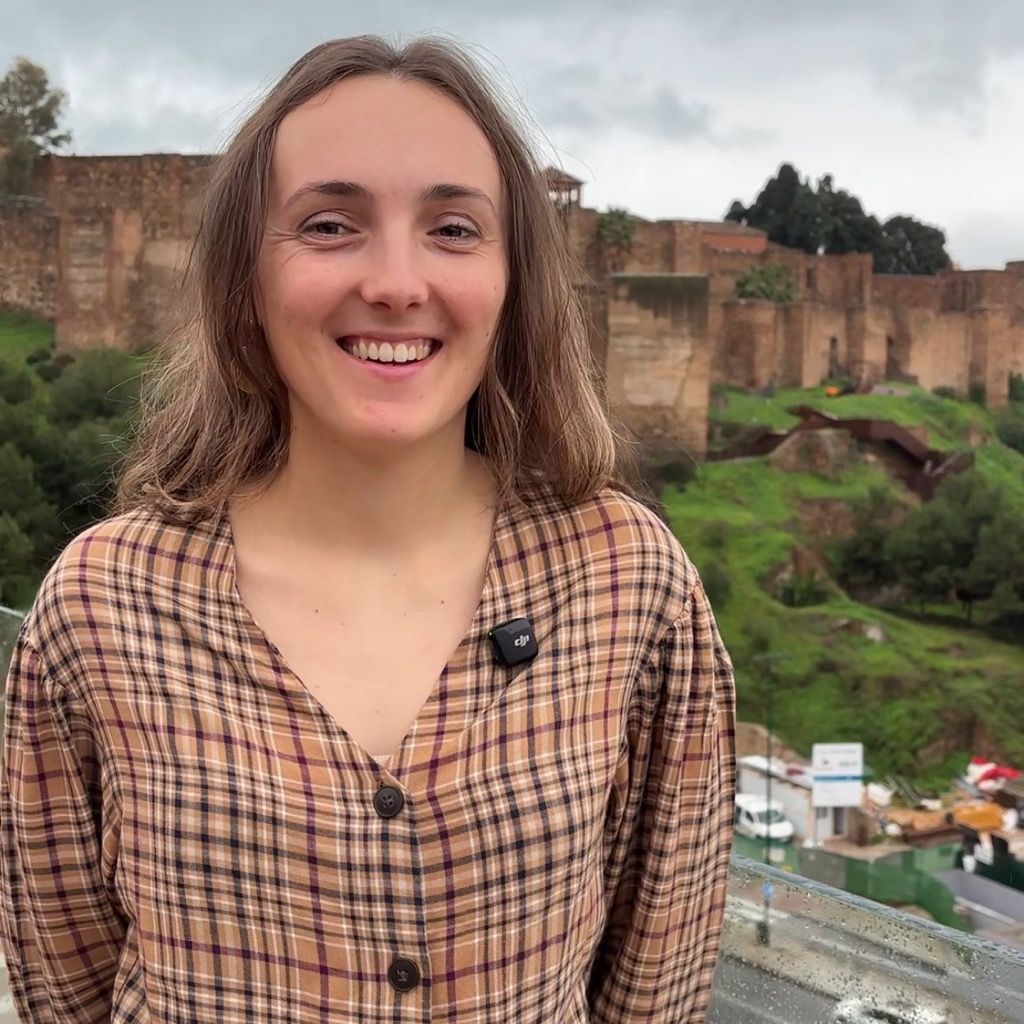
My journey
Hi, it's Alice, an engineer at TOOGO for… almost two years now! My missions have already varied a lot since I arrived; I started as a developer, fixing bugs in La Paz (Bolivia), with the other software engineers. Later I was given missions to develop AI in TOOGO, for example creating Raimundo, the first AI assistant. That was followed by developing AI features and task automations that save time. Finally, for the past few months, I've been working on CRM2 and other screens of the new TOOGO.
The build…
Working on CRM2 has been really interesting! First, it was Juan, our architect, who designed and laid the foundations of the new software architecture. Once the foundations and the ideas were in place, I could start working on CRM2, and therefore on the whole Sales part, and the various buttons, views, pop-ups… I took care of organizing them in the interface, connecting them to the database, creating the actions. Rethinking some parts, innovating on others.
The ups and downs…
I had a lot of questions about how everything worked during this part of the job; for example, I spent time untangling the business flow of GIT departures. In the end, it helped me understand the use of TOOGO better and better, and want to improve it. There were periods when I moved fast, and others when I stayed stuck on the same thing for a long time. Some weeks I had lots of visual things to show, other weeks nothing at all, because the work wasn't visible in the interface yet. During some meetings, we'd tell ourselves everything was going well, that it was great. And others where we felt like nothing was working, that we might be heading in the wrong direction, from spending too much time on a detail that wasn't a revolutionary change. We often extended our deadlines, in fact, because we were too optimistic.
“There were a few long evenings spent one-on-one with Claude.”
Coming soon…
In my opinion, we were right to stay optimistic. CRM2 is a real team effort; Pierre then meticulously polished it, all the way to its final version. (well, the final version of the beta!) The wait may have seemed long since we got started, we preferred to take the time to lay the foundations properly, to release a more finished and polished result.
What's next?
Now we're already working on other screens, because the foundations were laid thanks to CRM2. It's exciting to work on a new interface: everything is better thought out. You have to think practical, simple, efficient. Sébastien, Pierre, Ariel, Rohely, Ivan and Huascar are also working on goals and screens for TOOGO 2: so everything is going to intensify and go faster.
Listen to my story
I can't wait for this to be available to all TOOGO users, I'm sure they'll love it!